The relationship between food and cancer is one of the most studied and most misrepresented topics in medicine. At one extreme: the false promise that a specific diet will cure cancer. At the other: the equally false dismissal that diet has no meaningful effect. The evidence sits firmly between these poles. What you eat after a cancer diagnosis does not determine whether you survive. But it meaningfully influences your inflammatory state, your metabolic environment, your immune function, and — according to accumulating evidence — your recurrence risk.
- The truth about sugar and cancer — what the Warburg effect actually means for diet
- Ten key anti-cancer phytochemicals, their mechanisms, and how to maximize absorption
- The Rainbow Plate principle — a simple framework for daily food choices
- How cooking method changes phytochemical bioavailability
- A practical shopping and substitution guide for the anti-cancer kitchen
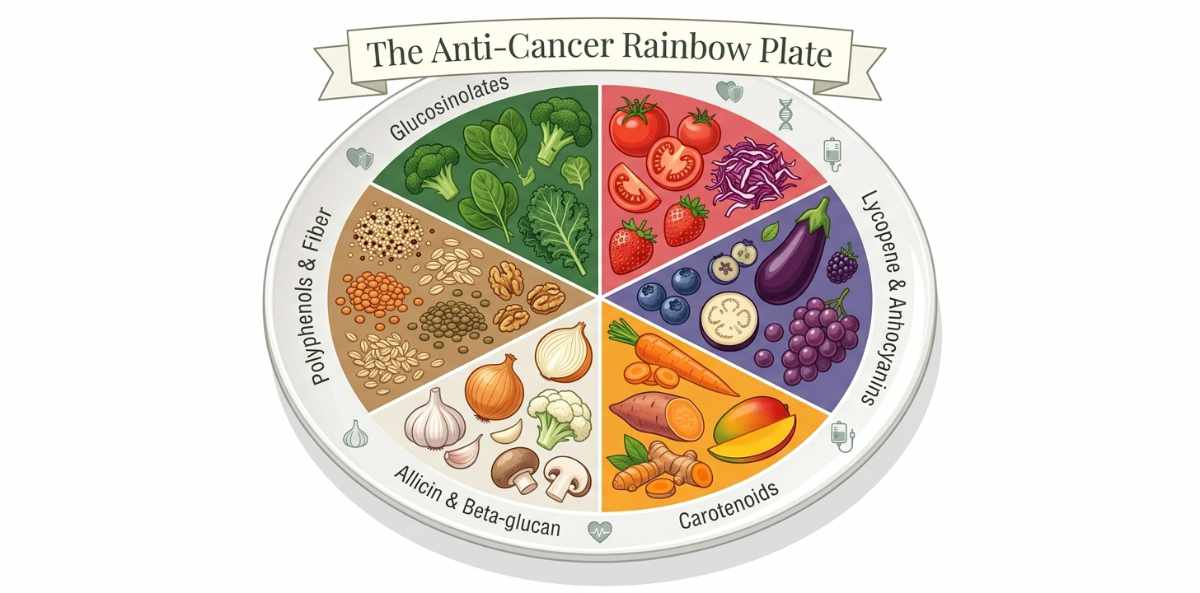
Figure 9.1 · The Anti-Cancer Rainbow Plate — eat five colors daily
The Sugar Question — What the Warburg Effect Really Means
One of the most common questions from cancer patients is: "Should I stop eating sugar entirely?" The answer requires some precision, because the biology is real but the popular interpretation is wrong.
What is true: Cancer cells consume glucose at a rate 10–40 times higher than normal cells, producing energy through aerobic glycolysis rather than oxidative phosphorylation even when oxygen is available. This is the Warburg effect, first described in 1924. Elevated blood glucose and high insulin/IGF-1 levels create a metabolic environment that promotes cancer cell proliferation.
What is not true: That eliminating all carbohydrates from your diet will starve cancer cells. Every cell in your body requires glucose — your brain runs almost exclusively on it. Extreme carbohydrate restriction leading to malnutrition and significant weight loss (cachexia) is independently associated with poor cancer outcomes. The goal is not to eliminate carbohydrate but to modify its form and metabolic impact.
Eliminate refined sugar (white sugar, high-fructose corn syrup, sugary drinks), white flour products, and highly processed carbohydrates. These cause rapid blood glucose spikes that trigger insulin and IGF-1 secretion — both of which stimulate cancer cell growth signaling. Replace with complex carbohydrates rich in fiber (black rice, sweet potato, oats, legumes) that produce slow, stable glucose release. The goal is low fasting glucose and low fasting insulin — achievable through diet, exercise, and consistent meal timing.
Ten Key Anti-Cancer Phytochemicals
Phytochemicals are biologically active compounds in plants that are not vitamins or minerals but have documented effects on cancer biology. The following are the best-studied and most clinically relevant.
Activates Nrf2 pathway (master antioxidant regulator); kills cancer stem cells; inhibits HDAC (epigenetic mechanism); induces apoptosis
Chop broccoli and wait 40 minutes before cooking — allows glucoraphanin + myrosinase reaction to form sulforaphane. Steam 3–4 minutes only. Add raw radish to cooked brassicas to restore enzyme activity.
All cancers, particularly colon, breast, prostate, lung. Cancer stem cells specifically.
Inhibits NF-κB, COX-2, VEGF (anti-angiogenesis), STAT3; induces apoptosis via caspase pathway; inhibits PI3K/Akt signaling
Curcumin alone is poorly absorbed. Always combine: turmeric + black pepper (piperine, +2,000%) + fat (oil, coconut milk). Optimal: 1 tsp turmeric + pinch of black pepper + 1 tsp coconut oil in warm milk.
Over 3,000 peer-reviewed studies. Particularly strong for colorectal, breast, and pancreatic cancer in laboratory and early clinical settings.
Carotenoid antioxidant; protects DNA from oxidative damage; inhibits cell cycle progression in prostate and breast cancer cells
Lycopene INCREASES with heat — cooked tomato sauce has 3–5× more bioavailable lycopene than raw tomato. Sauté tomato in olive oil for maximum extraction.
European Journal of Nutrition meta-analysis (2021): high lycopene intake associated with 19% reduced prostate cancer risk.
Inhibits VEGF, HER2 receptors; induces apoptosis in breast, lung, and colorectal cancer cells; inhibits MMP enzymes that cancer uses for invasion
Steep at 70–80°C (not boiling — destroys EGCG). 2–3 minutes only. Add lemon juice — Vitamin C stabilizes EGCG in the digestive tract and triples absorption. Matcha contains 3–5× more EGCG than steeped green tea.
2–3 cups green tea daily, or 1 cup matcha. Drink between meals (tannins in tea reduce iron absorption if consumed with food).
Anti-proliferative, pro-apoptotic; inhibits CYP1A1 (carcinogen activation); immunomodulatory (stimulates NK cells, macrophages)
Crush or mince garlic and wait 10–15 minutes before cooking — this allows alliin to convert to allicin enzymatically. Add garlic at the end of cooking when possible — high heat destroys allicin rapidly.
Inhibits tyrosine kinases; anti-angiogenesis; inhibits PI3K/Akt/mTOR pathway; synergistic with platinum-based chemotherapy
Eat apple with skin (skin contains 4× more quercetin than flesh). Red onion raw in salads or lightly pickled. Capers contain the highest quercetin concentration of any food.
Binds to Dectin-1 and CR3 receptors on NK cells, macrophages, and dendritic cells — activates coordinated immune surveillance without causing excess immune stimulation
Daily oats (overnight oats, porridge). Shiitake or oyster mushrooms 3–5 times/week — cook thoroughly. Beta-glucan is heat-stable, so cooking does not reduce efficacy.
Activates SIRT1 (sirtuin longevity pathway); inhibits COX-2, NF-κB; chemosensitizes cancer cells; anti-angiogenesis
Bioavailability is low from individual foods due to rapid metabolism. Benefit comes from consistent habitual intake and synergy with other polyphenols in the same foods.
Ellagitannins → converted by gut bacteria to Urolithin A → pro-autophagy, anti-proliferative. Anti-carcinogen activation. Effects particularly studied in breast, prostate, colon, and lung cancer.
240 ml pure pomegranate juice daily (no added sugar). Fresh pomegranate seeds. Mixed berry topping on oatmeal. Urolithin A production requires healthy gut bacteria — another reason microbiome restoration matters.
I3C → converted to DIM in gut → modulates estrogen metabolism toward protective 2-OH pathway and away from pro-carcinogenic 16-OH pathway. Directly relevant to hormone-sensitive cancers.
ER+ breast cancer, endometrial, cervical, and prostate cancer survivors. 3–5 servings of brassica vegetables per week recommended.
The Rainbow Plate
A practical shorthand for anti-cancer eating: aim for five different colors on your plate daily. Each color group represents distinct phytochemical families with different biological mechanisms — the more colors, the broader your phytochemical coverage.
Kitchen Substitutions — The Practical Guide
| Replace This | With This | Why It Matters |
|---|---|---|
| White refined sugar | Stevia leaf, dates, raw honey (small amounts), ripe fruit as natural sweetener | Eliminate glucose spikes and IGF-1 stimulation |
| White rice | Black rice, red rice, cold leftover rice (resistant starch), oats, sweet potato | Lower glycemic index; resistant starch feeds beneficial gut bacteria |
| Vegetable cooking oil (repeated high heat) | Extra virgin olive oil (low-heat), VCO/coconut oil (medium heat) | Avoid oxidized fats and trans fatty acids from overheated oils |
| Processed/canned meats | Fresh fish (salmon, sardine, mackerel), tofu, tempeh, legumes, eggs | Eliminate nitrosamines and HCAs from cured/charred meats |
| Sugary drinks and packaged juice | Green tea, ginger water, pure pomegranate juice, warm lemon water | Eliminate liquid sugar; add EGCG, gingerol, lycopene |
| MSG and artificial flavor packets | Garlic, ginger, turmeric, cumin, coriander, herbs, low-sodium soy sauce | Add phytochemical benefit; avoid excess sodium and excitotoxins |
Rice and potatoes cooked and then refrigerated overnight develop resistant starch — a prebiotic fiber that produces butyrate when fermented by gut bacteria. Butyrate directly induces apoptosis in colorectal cancer cells and strengthens the gut lining. Reheat briefly or eat at room temperature. This single habit costs nothing and requires no behavior change beyond meal timing.
- The Warburg effect is real, but the correct response is eliminating refined sugar and stabilizing blood glucose — not restricting all carbohydrate. Extreme restriction causes cachexia, which worsens outcomes.
- Ten key phytochemicals (sulforaphane, curcumin, lycopene, EGCG, allicin, quercetin, beta-glucan, resveratrol, ellagic acid, I3C) interact with cancer biology at the molecular level. How you prepare them affects how much you absorb.
- The Rainbow Plate: five colors daily ensures broad phytochemical coverage. No single food or supplement covers all pathways — diversity is the strategy.
- Cooking method matters: chop broccoli 40 minutes before cooking; cook tomatoes in oil; brew green tea at 70–80°C; crush garlic before heating; combine turmeric with black pepper and fat.
- Refrigerate cooked rice or potato overnight to develop resistant starch — a free, zero-effort upgrade that significantly increases prebiotic fiber and butyrate production.